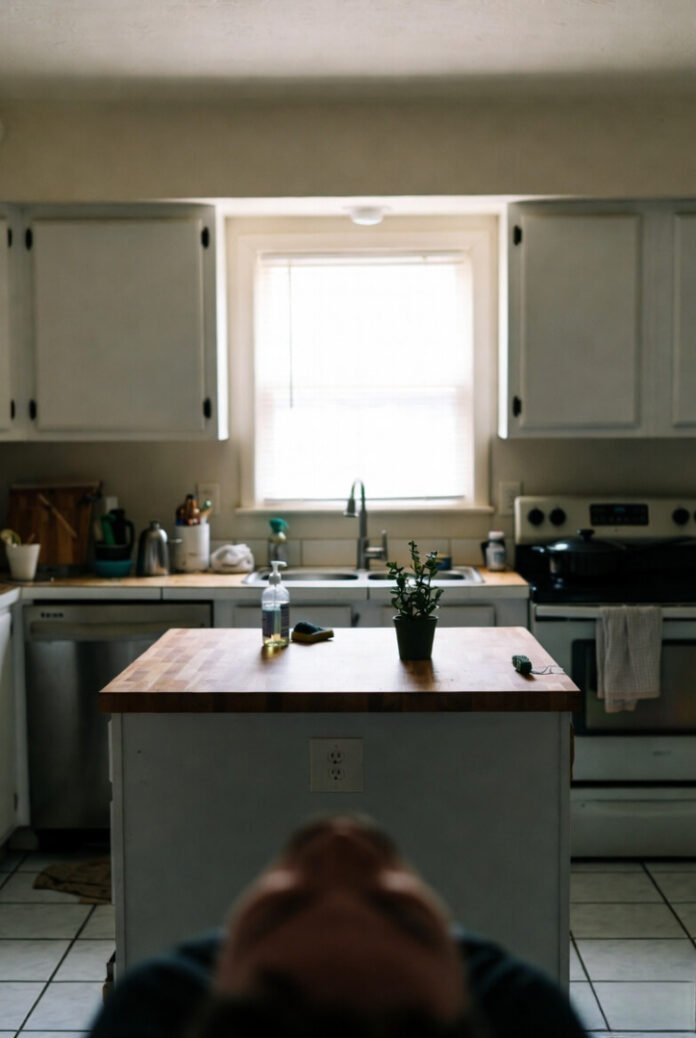

I used to roll my eyes at gentle parenting.
Not loudly. Just internally.
It felt like one of those ideas that sounds great on paper and falls apart the moment a kid throws a slipper across the room or screams in public like you’ve kidnapped them.
And honestly? The early version of gentle parenting didn’t help its case.
It was too… ideal.
Real parents don’t live like that.
But something’s changed recently. Quietly. No big announcement. Just a shift in how people are actually doing this.
And this newer version? It makes way more sense.
The Version Everyone Tried First Wasn’t Built for Real Life
Let’s be honest about what most of us saw in the beginning.
Soft voices. Long explanations. Endless validation.
All good things. No argument there.
But somewhere along the way, boundaries got… awkward.
Parents started second-guessing every “no” like it might damage their child permanently.
And kids? They noticed.
You’d see it in small moments. A child pushing, testing, escalating. Not because they’re “bad.” Because they’re trying to figure out where the line is.
And the line wasn’t clear.
That’s the part a lot of gentle parenting content skipped. Or avoided.
Kids don’t just need understanding. They need structure. Without it, everything feels unpredictable.
What Gentle Parenting Looks Like Now (And Why It Feels Different)
The newer version of gentle parenting isn’t softer.
It’s clearer.
That’s the word.
You’re still calm. Still respectful. Still emotionally aware.
But you’re not… negotiable all the time.
That’s the shift.
Instead of trying to prevent every meltdown, you accept that meltdowns will happen — and your job is to guide your child through them, not erase them.
That sounds small. It’s not.
It changes how you respond in almost every situation.
Your child is crying because they can’t get something?
You don’t rush to fix it.
You stay steady.
That steadiness — that’s what they actually need.
Saying “No” Without Turning It Into a Whole Speech
This one took me time to understand.
Because a lot of advice made it seem like every boundary needed a full explanation, like you’re presenting a case in court.
It doesn’t.
Sometimes “no” is just… no.
Calm. Direct. Done.
“I know you want more screen time. We’re done for today.”
And then you hold it.
That’s it.
No over-talking. No trying to convince them to agree with you.
This reminds me of traveling in places where routines are just part of life. When I was reading about how structured daily rhythms are in smaller French towns like Annecy, it clicked — people don’t debate everything. Some things are just how it works.
Kids actually relax more when they don’t have to negotiate every rule.
Calm Doesn’t Mean Passive (This Is Where Most People Slip)
There’s this weird assumption that if you’re calm, you’re also… flexible.
Not true.
You can be calm and completely firm.
Your child hits you?
You don’t yell. But you also don’t ignore it.
“I won’t let you hit me.”
And then you physically stop it if needed.
That action matters more than any explanation.
Same with leaving a park, turning off the TV, brushing teeth — all the daily battles.
You don’t need to win emotionally. You just need to stay consistent.
It’s a bit like deciding the best time to visit France. You can keep comparing options forever, or you decide and commit. The clarity removes the stress.
Kids feel that clarity too.
The Internet Still Makes It Look Easier Than It Is
This part honestly annoys me a little.
Because a lot of gentle parenting content still looks… staged.
Perfect tone, Perfect response, Perfect timing.
That’s not how real homes work.
You’ll get tired. Irritated. Overwhelmed.
You’ll say things you wish you didn’t.
That doesn’t cancel everything.
What matters more is what happens after.
You go back. You fix it.
“I shouldn’t have shouted. I was frustrated, but that’s not how I want to handle things.”
That kind of repair? It teaches more than pretending to be calm all the time.
Even travel works like this. You plan everything, imagine it perfectly — like those dreamy Loire Valley castles — and then reality throws rain, crowds, delays.
You adjust. That’s part of the experience.
Parenting isn’t cleaner than that.
Natural Consequences Are Doing More Work Than Punishments Now
This shift feels… practical.
Instead of punishment, it’s more about letting reality do its job.
Child throws a toy?
The toy goes away.
They refuse to wear something warm?
They feel cold.
Not in a dangerous way — just enough to connect action and outcome.
There’s no drama in it.
No lectures. No threats.
Just cause and effect.
And honestly, that’s how the world works anyway.
You miss a train, nobody punishes you. You just deal with the consequence. Maybe grab food, wait it out — like stopping somewhere in Lyon and discovering something unexpected (their food scene is ridiculous, by the way — this Lyon food guide made me hungry just reading it).
That’s how kids learn best too.
Parents Are Finally Admitting They Have Limits Too
This might be the most important change in gentle parenting.
Earlier, it almost felt like parents had to be emotionally perfect.
Now? There’s more honesty.
You can say:
“I need a minute.”
“I’m getting overwhelmed.”
“We’ll talk after I calm down.”
That’s not weakness.
That’s modeling something real.
Kids don’t learn emotional control from watching someone suppress everything. They learn it by seeing how emotions are handled.
That includes taking space.
That includes pausing.
And yeah, sometimes it includes walking away for a moment.
Why This Version Actually Works Better (Even If It Feels Slower)
Here’s the catch.
This approach doesn’t give quick results.
There’s no instant obedience.
No “fix this behavior in 3 days” kind of outcome.
And that can be frustrating.
But what you’re building is different.
You’re building understanding.
Over time, kids start to get it:
Emotions are okay.
Limits are real.
Adults mean what they say.
That combination creates a kind of stability you don’t notice immediately — but you feel it later.
Less power struggles. Less confusion.
More cooperation that doesn’t come from fear.
Kind of like figuring out a new place — once you understand how it works, everything becomes easier. Like exploring the quieter parts of the coast through guides like French Riviera hidden spots. Less chaos, more flow.
The Part That Caught Me Off Guard
I didn’t expect this.
But gentle parenting today feels… stricter than the old version.
Not louder. Not harsher.
Just more intentional.
You don’t react impulsively, You don’t give in just to avoid a scene,
You stay steady.
That takes effort.
Way more than just yelling or saying yes to everything.
But it also feels… more solid.
Less guessing. Less guilt.
And once you start seeing that difference, it’s hard to go back.
FAQs
1. What is gentle parenting today?
Gentle parenting today focuses on empathy and clear boundaries. It’s not about avoiding conflict — it’s about handling it calmly and consistently.
2. Is gentle parenting too soft?
Not anymore. The newer approach includes firm limits. It’s calm, but not permissive.
3. How do you stay calm all the time?
You don’t. The goal isn’t perfection. It’s repairing moments when you lose patience and trying again.
4. Does gentle parenting take longer to work?
Yes. It’s slower, but it builds long-term emotional skills instead of short-term obedience.