
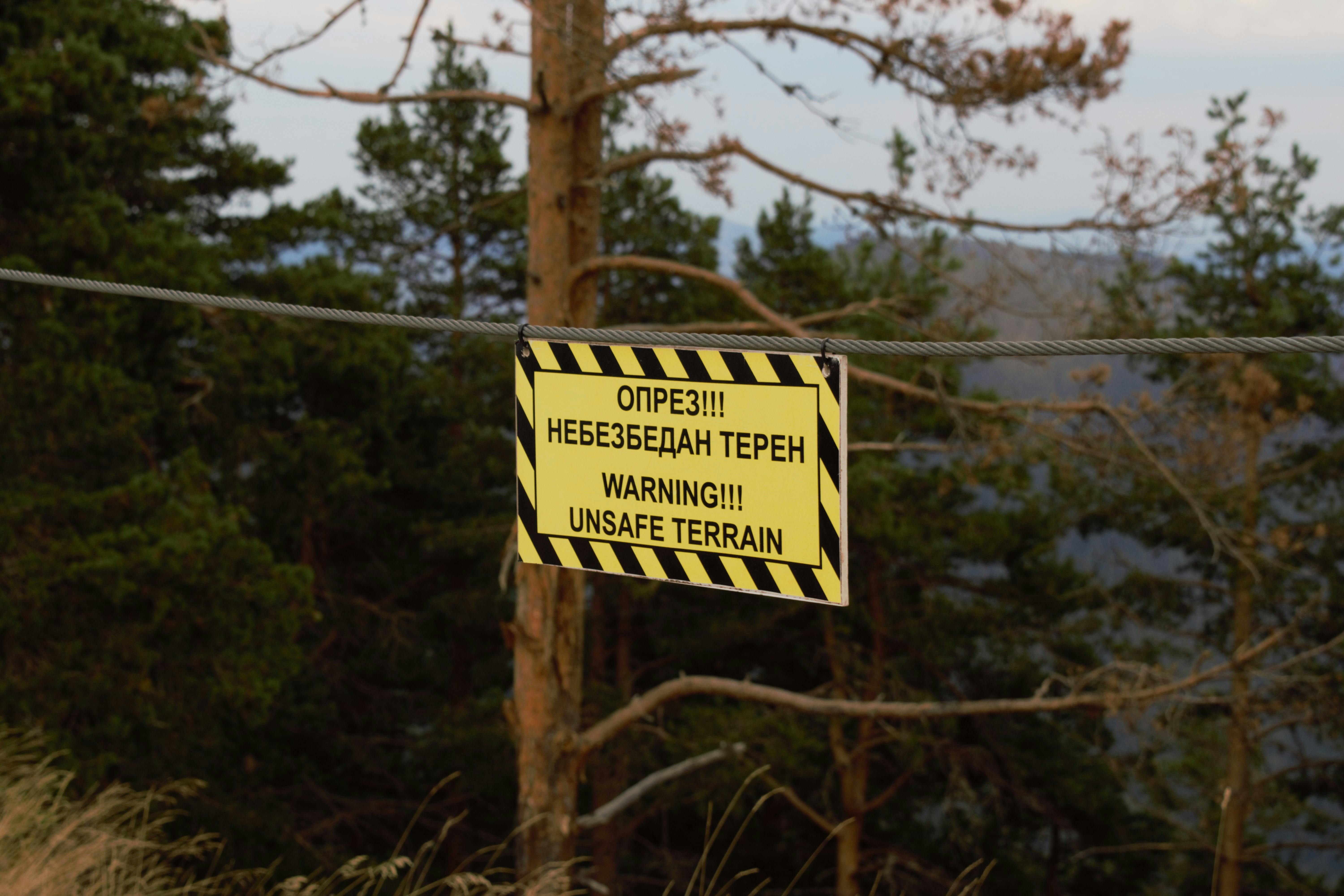
You check the car seat, lock the doors, and teach them not to talk to strangers. But what if the biggest threats to your child aren't out there, lurking in dark alleys, but right here, in the comforting glow of your home, or hidden within the very devices meant to connect us? A silent epidemic of dangers is threatening our children, evolving faster than most parents can keep up. From the air they breathe to the screens they gaze into, insidious risks are emerging from plain sight, often disguised as convenience or harmless fun. Are you truly aware of the invisible enemies that could be compromising your child's health, safety, and future? The truth might shock you, but ignoring it could cost you everything.
🔥 What's Happening Right Now
In an age where information is abundant, it's easy to feel overwhelmed, especially when it comes to safeguarding our children. The traditional fears of playground bullies and scraped knees have been overshadowed by a new, more complex landscape of threats. These aren't the dangers that announce themselves with a loud bang; they are the insidious, often invisible risks that permeate modern life, silently chipping away at our children's well-being.
One of the most pervasive "silent dangers" is the digital frontier. Our children are digital natives, navigating online worlds with a fluency that often surpasses our own. While technology offers incredible educational and social benefits, it also opens a Pandora's Box of risks. Screen time, once a simple concern about eye strain, has evolved into a complex issue impacting development, sleep patterns, and mental health. Excessive exposure to screens, especially before bedtime, disrupts melatonin production, leading to sleep deprivation, which in turn affects academic performance, mood regulation, and physical growth. Beyond the physiological, the digital realm harbors more sinister threats: online predators, cyberbullying, and exposure to inappropriate content. These aren't just abstract fears; they are daily realities for many children. Data privacy, too, is a growing concern, with smart toys, voice assistants, and connected devices collecting vast amounts of personal information, often without parents fully understanding the implications or the potential for data breaches.
The home, once considered a sanctuary, is another nexus of silent dangers. We meticulously childproof outlets and block staircases, but what about the invisible toxins lurking in our everyday environment? Volatile Organic Compounds (VOCs) off-gassing from new furniture, paints, and cleaning products can compromise indoor air quality, contributing to respiratory issues, allergies, and even neurological problems. Lead, though largely removed from paint, can still be found in older homes, contaminating dust and soil. More recently, the spotlight has turned to "forever chemicals" like PFAS, found in non-stick cookware, stain-resistant fabrics, and even some food packaging, which have been linked to developmental problems, immune system dysfunction, and cancer. Microplastics, ubiquitous in our environment, are now found in our water, food, and even the air, with unknown long-term health consequences for developing bodies.
Beyond chemicals, the very structure and contents of our homes pose subtle threats. Furniture tip-overs remain a significant cause of injury and death, often preventable with simple anchoring kits. Overlooked choking hazards, from small toy parts to certain foods like grapes or hot dogs, continue to pose a risk to young children. Even seemingly benign items, like window blind cords, can be deadly strangulation hazards. Sleep safety, particularly for infants, is another critical area where silent dangers can reside. Unsafe sleep environments – soft bedding, bumpers, co-sleeping – contribute to Sudden Infant Death Syndrome (SIDS) and accidental suffocation, dangers often misunderstood or underestimated by new parents.
Furthermore, the mental and emotional well-being of our children is under unprecedented strain. The pressure to succeed academically, the constant comparison fueled by social media, and the anxieties of a rapidly changing world can lead to significant stress, anxiety, and depression in children and adolescents. Bullying, both in school and online, has devastating psychological impacts, often going unnoticed by parents until severe consequences manifest. These emotional and psychological dangers are "silent" because they often don't present with physical wounds, making them harder to detect but no less damaging to a child's development and future.
Even the food we feed our children can harbor silent threats. Beyond common allergens, concerns about pesticides, hormones, and antibiotics in conventional produce and meats are growing. The rise of processed foods, high in sugar, unhealthy fats, and artificial additives, contributes to childhood obesity, diabetes, and a host of other health issues, laying the groundwork for chronic diseases in adulthood. Understanding the source and composition of our food has become a critical, yet often overlooked, aspect of child safety.
The cumulative effect of these silent dangers is a generation of children facing challenges that their parents never encountered. It's a call to action for every parent to move beyond conventional safety measures and adopt a holistic, proactive approach to protecting their children in this complex, modern world.
💡 Financial Impact
The immediate instinct for parents is to protect their children, often without fully considering the financial implications of both action and inaction. However, understanding the financial impact of these silent dangers can provide a powerful motivator for proactive safety measures. The cost of neglecting these threats extends far beyond emotional distress; it can translate into substantial, unforeseen expenses that can strain family budgets and impact long-term financial stability.
Consider the medical costs associated with preventable accidents or illnesses. A child's fall from unsecured furniture could lead to emergency room visits, specialist consultations, physical therapy, and potentially long-term rehabilitation, easily racking up tens of thousands of dollars, even with good insurance. Exposure to indoor air pollutants or environmental toxins can trigger chronic asthma, allergies, or other respiratory conditions, requiring ongoing medication, doctor visits, and specialized equipment like nebulizers or air purifiers. These are not one-time costs but recurring expenses that can persist for years, significantly impacting a family's disposable income and savings.
The digital realm, too, carries a hefty financial price tag for unchecked dangers. If a child falls victim to cyberbullying or online exploitation, the emotional trauma often necessitates therapy or counseling, which can be expensive and prolonged. Identity theft, a risk associated with lax data privacy on smart devices, can be a nightmare to resolve, costing families time, legal fees, and potential financial losses. Furthermore, the financial burden of replacing devices damaged by malware or viruses, or the cost of advanced cybersecurity software, adds another layer of expense that could have been mitigated by proactive measures.
Beyond direct medical or protective expenses, there are indirect financial impacts. Parents may need to take time off work to care for an injured or ill child, resulting in lost wages. The stress and anxiety of dealing with a child's safety crisis can affect parental productivity, potentially impacting career progression or business ventures. In severe cases, legal fees might be incurred, whether for pursuing justice against an online perpetrator or defending against liability claims if a preventable accident occurs on your property due to negligence.
Conversely, investing in safety solutions, while an upfront cost, often proves to be a significant long-term saving. Childproofing essentials, quality air and water filters, robust parental control software, and non-toxic product alternatives are not merely expenses; they are investments in your child's health, safety, and future. These investments can prevent costly medical emergencies, reduce the need for therapeutic interventions, and protect against financial fraud. Proactive measures can also lead to lower insurance premiums by reducing risk, or at least ensure that claims are honored without dispute, offering peace of mind and financial security. Ultimately, the financial impact of silent dangers underscores a critical truth: prevention is not just better than cure; it's also significantly more affordable.
💰 Best Options in Comparison
Navigating the myriad of safety solutions can be daunting. To help parents make informed decisions, here's a comparison of key options to address the silent dangers discussed, focusing on commercial value and effectiveness.
| Solution Type | Key Features | Pros | Cons | Estimated Cost Range |
|---|---|---|---|---|
| Smart Home Safety & Monitoring Systems | Real-time video monitoring, motion sensors, door/window sensors, two-way audio, professional monitoring options, mobile alerts. | Comprehensive coverage, remote access, immediate alerts, potential for emergency service dispatch. Integrates with other smart home devices. | Higher initial cost, potential privacy concerns with cameras, requires reliable internet, subscription fees for advanced features. | Medium-High ($150 - $1000+ for systems, plus $10-$60/month for monitoring) |
| Advanced Air & Water Purification Systems | HEPA filtration for air (VOCs, allergens, particulate matter), activated carbon filters for water (lead, chlorine, microplastics), reverse osmosis. | Improves indoor air quality significantly, reduces exposure to airborne toxins and water contaminants, supports respiratory health. | Can be expensive for whole-home solutions, requires regular filter replacement (ongoing cost), water systems may need professional installation. | Medium-High ($100 - $800 for individual units; $500 - $3000+ for whole-home systems) |
| Parental Control & Digital Safety Software | Website filtering, screen time limits, app blocking, location tracking, social media monitoring, cyberbullying alerts, content reports. | Protects against online predators, limits screen addiction, prevents access to inappropriate content, provides insights into child's digital activity. | Can be circumvented by tech-savvy kids, privacy concerns for children, requires consistent management, subscription fees. | Low-Medium ($5 - $20/month per family, or $50-$150/year) |
| Premium Childproofing Essentials (Non-Toxic) | Magnetic cabinet locks, furniture anchor kits, outlet covers, safety gates (pressure-mounted & hardware-mounted), corner guards made from non-toxic materials. | Prevents falls, poisoning, entrapment, and other physical injuries. Non-toxic options reduce chemical exposure. Essential for early years. | Requires regular checking for wear/tear, can be an aesthetic disruption, some items are temporary as children grow. | Low-Medium ($50 - $300+ depending on home size and specific needs) |
| Non-Toxic Household Product Alternatives | Organic cleaning supplies, PFAS-free cookware, natural baby products (diapers, wipes, lotions), untreated wooden toys, natural fiber clothing. | Significantly reduces exposure to harmful chemicals and allergens, supports overall health and development, environmentally friendly. | Often more expensive than conventional alternatives, may require more research to find trusted brands, availability can vary. | Medium-High (Ongoing expense, can add 15-50% to grocery/household budget) |
The "best" option often involves a combination of these solutions tailored to your family's specific needs and budget. Prioritizing areas of highest risk in your home and digital life is a smart starting point. Remember, investing in these solutions is not just about purchasing products; it's about investing in peace of mind and the long-term well-being of your child.
Conclusion
The landscape of childhood safety has undeniably shifted. The silent dangers lurking in plain sight, from the insidious threats of the digital world to the invisible toxins in our homes and the subtle pressures on our children's mental health, demand a new level of parental vigilance. It's no longer enough to simply lock the doors; we must become detectives, advocates, and proactive guardians in an ever-evolving environment.
The good news is that awareness is the first and most powerful step towards protection. By understanding these modern threats and their potential financial and emotional toll, parents are empowered to make informed decisions. Investing in robust home safety systems, adopting advanced purification technologies, implementing comprehensive digital safeguards, and consciously choosing non-toxic alternatives are not luxuries; they are essential components of modern parenting. These proactive measures not only mitigate immediate risks but also lay a foundation for healthier, safer, and more resilient children.
Your child's safety is not a passive state; it's an active, ongoing commitment. It requires continuous learning, adaptation, and a willingness to challenge conventional wisdom. Don't let the "silent" nature of these dangers lull you into a false sense of security. Take action today. Review your home, assess your digital habits, and consider the quality of the air your child breathes and the food they eat. Share this vital information with other parents, sparking a community-wide conversation about these critical issues. Your vigilance, your choices, and your commitment to proactive safety are the most powerful shields you can offer your child against the hidden threats of our modern world. Protect their future, starting now.