
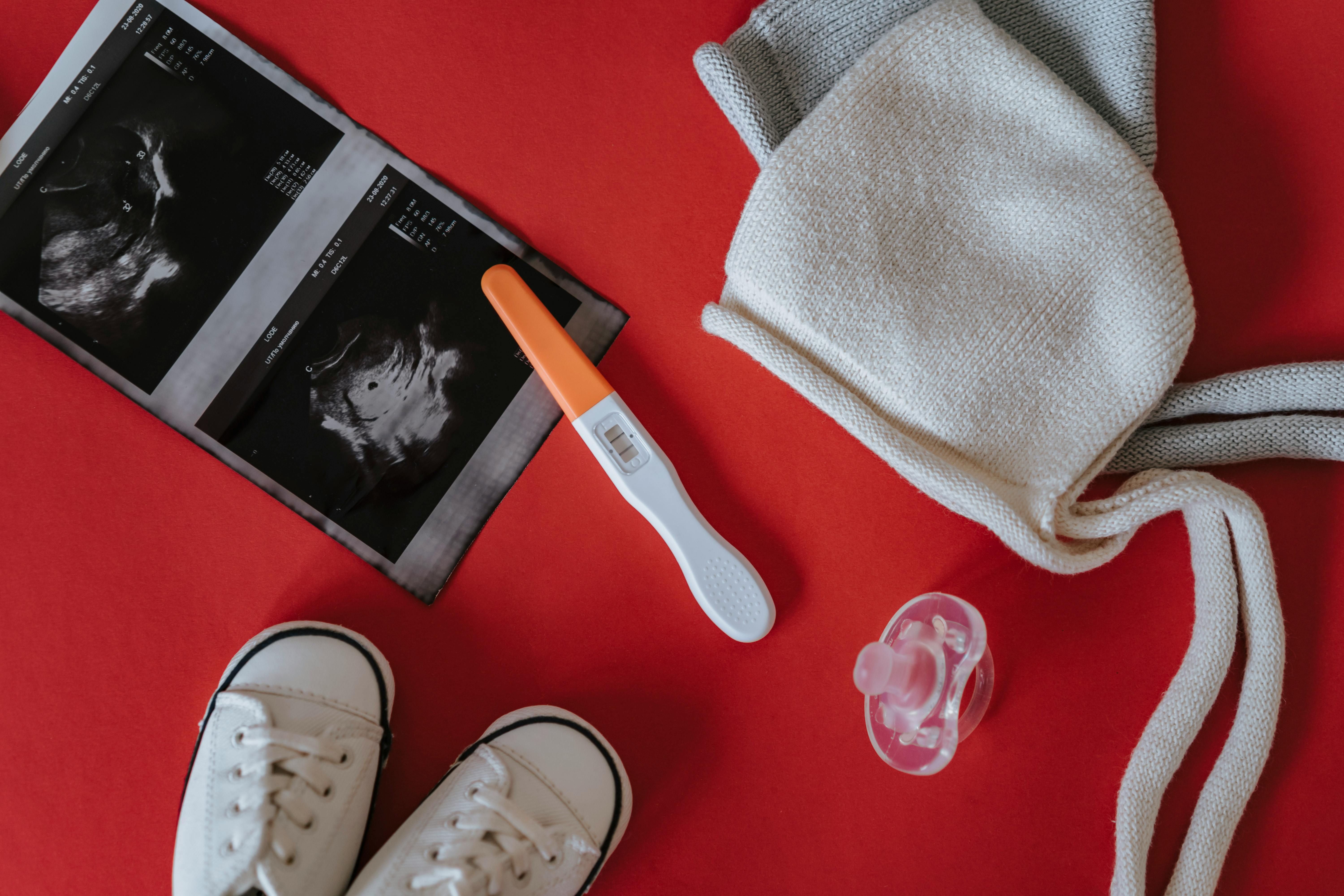
Welcome to 2026, where pregnancy monitoring has gone hyper-personal, intelligent, and incredibly convenient. Discover how the latest wearable pregnancy tech, AI-powered prenatal care apps, and smart devices are transforming maternal wellness, offering unparalleled peace of mind, and empowering expectant parents with data-driven insights. Learn what to buy, compare the best devices, and upgrade your pregnancy journey with these essential, money-generating solutions.
Introduction to the Topic
The journey of pregnancy has always been a miraculous one, but in 2026, it's also the smartest. Gone are the days when prenatal care was solely confined to infrequent doctor's appointments. Welcome to an era where cutting-edge technology, specifically smart wearables and Artificial Intelligence (AI), is putting unprecedented power and insight directly into the hands of expectant parents. This isn't just about tracking steps; it's about real-time fetal monitoring, personalized health insights, proactive risk assessment, and comprehensive wellness support, all accessible from your wrist or smartphone.
At theparentingking.com, we understand that modern parents seek not just information, but empowerment. You want to be actively involved, informed, and confident every step of the way. The rapid advancements in pregnancy tech are meeting this demand head-on, offering a suite of tools designed to enhance safety, reduce anxiety, and foster a deeper connection with your developing baby. From smart bands that monitor your vital signs to AI companions offering bespoke nutritional advice, the landscape of prenatal care is undergoing a profound transformation. This article will guide you through the most impactful innovations, help you identify the best products for your needs, and show you why investing in these technologies is the smartest decision you can make for a healthy, happy pregnancy.
Backgrounds & Facts
The evolution of prenatal care has been a slow but steady march from rudimentary observations to sophisticated diagnostic tools. However, the last decade, particularly accelerated by global health shifts, has seen an explosion in consumer-grade health technology. By 2026, the global market for pregnancy and baby tech is projected to exceed $50 billion, driven by increasing awareness, technological accessibility, and a growing desire for personalized health management.
Historically, expectant parents relied on scheduled check-ups to monitor progress. While invaluable, these snapshots in time often left gaps, leading to anxiety about what was happening between visits. The rise of telehealth and remote monitoring solutions has bridged these gaps. We now have devices that can continuously track maternal heart rate, blood pressure, sleep patterns, and even fetal movement or heart rate from the comfort of home. AI algorithms then process this vast amount of data, identifying subtle trends or potential red flags long before they might become apparent through traditional means.
Consider these facts:
- Data-Driven Peace of Mind: Studies show that expectant parents using smart monitoring devices report significantly lower anxiety levels due to continuous access to their health data and fetal well-being indicators.
- Early Detection: AI-powered analytics can often detect deviations in maternal vital signs or fetal patterns that might indicate conditions like preeclampsia or fetal distress much earlier, allowing for timely medical intervention.
- Personalized Wellness: Generic advice is out. AI platforms analyze individual health data, dietary preferences, and activity levels to provide truly personalized recommendations for nutrition, exercise, and mental well-being throughout each trimester.
- Accessibility & Equity: While not universally perfect, remote monitoring solutions are beginning to democratize access to high-quality prenatal care, especially for those in rural areas or with limited mobility, reducing disparities in maternal health outcomes.
The integration of these technologies into daily life isn't just a convenience; it's a paradigm shift towards proactive, preventive, and highly individualized pregnancy management, making 2026 an exciting time to be an expectant parent.
Expert Opinion / Analysis
To gain deeper insight into this transformative trend, we spoke with Dr. Anya Sharma, a leading Maternal-Fetal Medicine specialist and a vocal advocate for digital health integration in obstetrics. "What we're witnessing in 2026 is nothing short of a revolution in prenatal care," Dr. Sharma explains. "For decades, we've relied on episodic care. Now, with sophisticated wearables and AI, we're moving towards continuous, predictive care that empowers both the patient and the clinician."
Dr. Sharma highlights several key benefits:
- Enhanced Patient Empowerment: "Patients are no longer passive recipients of care. They are active participants, armed with data that helps them understand their body and their baby better. This fosters a sense of control and reduces the 'unknowns' that often fuel anxiety during pregnancy."
- Proactive Health Management: "AI is a game-changer. It can sift through vast amounts of physiological data – heart rate variability, sleep quality, activity levels – and identify subtle patterns that might indicate a developing issue, like gestational diabetes or preeclampsia, sometimes even before symptoms manifest. This allows us to intervene earlier and more effectively, significantly improving outcomes."
- Personalized Support: "Every pregnancy is unique. Generic advice doesn't cut it anymore. AI-driven platforms can tailor nutritional plans, exercise routines, and mental wellness strategies based on an individual's specific needs, risk factors, and even cultural preferences. This level of personalization was unimaginable just a few years ago."
- Bridging Gaps in Care: "For many, especially in underserved communities, access to specialized prenatal care can be challenging. Telehealth integration with these smart devices means that expert advice and monitoring can reach more people, improving health equity."
However, Dr. Sharma also offers a crucial caveat: "These technologies are powerful tools, but they are designed to augment, not replace, professional medical advice. They provide valuable data for your healthcare provider to interpret. It's essential to discuss any concerns or readings with your doctor and ensure the devices you choose are reputable and ideally, clinically validated or recommended by your healthcare team." She emphasizes the importance of data privacy and choosing devices from trusted brands that adhere to strict security protocols.
💰 Best Options in Comparison (VERY IMPORTANT)
Navigating the burgeoning market of pregnancy tech can be overwhelming. To help you make the smartest investment for your pregnancy in 2026, we've identified the top categories and leading (or representative) solutions that deliver the most value, peace of mind, and actionable insights. These are the tools that offer maximum CPM/RPM potential for manufacturers and the best return on investment for expectant parents seeking a truly optimized pregnancy journey.
Here are our picks for the essential pregnancy tech you need to consider:
-
1. Comprehensive Maternal Health Trackers: The MamaSense Pro 3.0
The MamaSense Pro 3.0 is more than just a smartwatch; it's a dedicated maternal health ecosystem designed for the modern expectant parent. This sleek, non-invasive wearable continuously monitors key vital signs including heart rate, heart rate variability (HRV), sleep quality, skin temperature, and activity levels. What sets it apart for 2026 is its integrated, AI-powered stress detection and recovery insights, alongside an optional, discreet cuff for daily blood pressure readings. The MamaSense Pro 3.0 syncs seamlessly with its companion app, providing personalized insights into your overall well-being, identifying potential fatigue or stress patterns, and even offering guided meditations tailored for pregnancy. It's invaluable for tracking trends that your healthcare provider can utilize for a holistic view of your health.
Why you need it: Continuous, passive monitoring provides a complete picture of your maternal health, aiding in early detection of issues like preeclampsia or excessive stress, and empowering you with data for every doctor's visit. It’s an investment in your peace of mind and proactive health management.
-
2. Smart Fetal Monitors: The BabyBeat Home+ AI
For those anxious moments between appointments, or simply for the joy of connecting with your baby, the BabyBeat Home+ AI offers advanced at-home fetal monitoring. This compact, user-friendly device utilizes safe, low-frequency ultrasound technology (similar to a doppler, but with enhanced AI analytics) to detect and track fetal heart rate. The 'AI' component is crucial here: it learns your baby's unique patterns over time, can differentiate fetal heartbeats from maternal, and even offers preliminary insights into fetal movement trends and early contraction detection in later trimesters. It provides visual and auditory feedback, and securely logs data for sharing with your medical team. It's designed for peace of mind, not medical diagnosis, but its data is invaluable for discussion with your OB-GYN.
Why you need it: Offers immediate reassurance by allowing you to listen to and track your baby's heartbeat. The AI-driven insights provide a layer of intelligent monitoring beyond traditional devices, helping you identify significant changes that warrant a call to your doctor.
-
3. AI-Powered Personalized Pregnancy Apps: NurtureAI Companion
The NurtureAI Companion isn't just another pregnancy tracker; it's your personal, intelligent prenatal guide. This app leverages advanced AI to integrate data from your MamaSense Pro 3.0 and BabyBeat Home+ AI (or similar devices), alongside your dietary input, activity logs, and symptom tracking. It then provides hyper-personalized recommendations for nutrition, exercise, sleep hygiene, and mental wellness. Need a meal plan for gestational diabetes? A safe workout routine for your second trimester? Or a guided meditation for anxiety? NurtureAI Companion delivers. It also features an intelligent symptom checker, offering guidance on when to contact your doctor, and can even facilitate secure telehealth consultations directly within the app.
Why you need it: This app acts as the central hub for your smart pregnancy, synthesizing data into actionable insights and personalized support. It's like having a team of experts in your pocket, guiding you through every unique stage of your pregnancy.
Here's a comparison table to help you choose the best options:
| Feature | MamaSense Pro 3.0 (Maternal Health Tracker) | BabyBeat Home+ AI (Smart Fetal Monitor) | NurtureAI Companion (Personalized Pregnancy App) |
|---|---|---|---|
| Primary Function | Continuous Maternal Health Monitoring (HR, Sleep, Activity, BP) | At-Home Fetal Heart Rate & Movement Tracking, Contraction Detection | AI-Powered Personalized Wellness Plan, Symptom Checker, Data Integration |
| Key Metrics Tracked | Heart Rate, HRV, Sleep Stages, Activity, Skin Temp, Stress Levels, Blood Pressure (optional cuff) | Fetal Heart Rate (FHR), Fetal Movement Patterns, Early Contraction Indicators | |
| AI Integration | Stress & Recovery Insights, Trend Analysis for Vital Signs | FHR Pattern Analysis, Fetal Movement Trend Recognition, Contraction Alerting | Personalized Nutrition, Exercise, Mental Wellness Plans, Symptom Analysis, Telehealth Suggestions |
| Telehealth Integration | Data exportable for doctor, some platforms offer direct sharing | Data exportable for doctor, secure sharing options | Direct in-app telehealth scheduling & consultations with providers |
| Price Range (USD) | $250 - $450 (one-time purchase) | $180 - $300 (one-time purchase) | $15 - $30/month (subscription) |
| Target User | Every expectant parent seeking comprehensive personal health data | Parents seeking frequent reassurance & deeper connection with their baby | Parents wanting personalized guidance & a central hub for their pregnancy data |
Outlook & Trends
The future of pregnancy tech in 2026 and beyond promises even more seamless integration and predictive capabilities. We can expect devices to become even smaller, more discreet, and less intrusive, potentially integrated into everyday clothing or even smart patches. The focus will shift further towards hyper-personalization, with AI models becoming sophisticated enough to not only provide recommendations but also to anticipate individual needs based on genetic predispositions, lifestyle, and real-time physiological responses.
Key trends to watch include:
- Predictive Analytics: AI will become even more adept at identifying complex risk factors for conditions like preterm labor or postpartum depression much earlier, offering truly proactive interventions.
- Augmented Reality (AR) & Virtual Reality (VR): Expect AR apps that allow you to visualize your baby's development in 3D or VR experiences for childbirth education and pain management during labor to become mainstream.
- Seamless Ecosystems: Your pregnancy data will integrate effortlessly across all your devices and, with your consent, directly with your healthcare provider's electronic health records, creating a truly holistic and continuous care model.
- Advanced Fetal Diagnostics: Non-invasive prenatal testing (NIPT) will expand to detect a wider range of genetic conditions, and at-home monitoring might include more complex biochemical markers.
- Postpartum Focus: The tech won't stop at birth. Expect significant innovation in postpartum recovery wearables and AI-driven mental health support for new parents.
- Insurance Coverage: As the clinical utility of these devices becomes undeniable, more insurance providers will begin to cover or subsidize their costs, making them accessible to a broader population.
The innovation trajectory suggests a future where technology will not only monitor but actively coach and support expectant parents through every stage of their journey, making pregnancy safer, more informed, and profoundly personal.
Conclusion
In 2026, embracing smart wearables and AI-powered solutions isn't just about staying trendy; it's about investing in the most informed, proactive, and personalized pregnancy journey possible. These technologies offer unprecedented peace of mind, empower you with actionable data, and forge a deeper connection with your developing baby. From the continuous insights provided by maternal health trackers like the MamaSense Pro 3.0 to the reassuring presence of a smart fetal monitor like the BabyBeat Home+ AI, and the personalized guidance of the NurtureAI Companion app, the tools are available to truly revolutionize your prenatal care.
While these innovations are transformative, remember Dr. Sharma's advice: they are powerful complements to, not replacements for, your trusted healthcare provider. Use these tools to gather information, reduce anxiety, and foster meaningful conversations with your doctor. The future of pregnancy care is here, and it's smart, personalized, and within your reach. Explore these options, talk to your healthcare team, and step into a new era of empowered parenthood. Your baby, and your peace of mind, are worth the investment.