

Okay look, supporting your child’s emotional well-being is the thing I obsess over at weird hours—like right now I’m hunched over my laptop in the dark living room in Ohio, it’s March so it’s still freezing outside, the dog is snoring on the couch, there’s Goldfish crumbs literally everywhere because someone “needed a midnight snack,” and I’m trying to get this done before the morning chaos hits again.
Supporting your child’s emotional well-being isn’t some Pinterest board dream for me. I’ve yelled over spilled juice, cried in the car after a rough bedtime, and definitely had days where I felt like the worst parent alive. But these 10 daily habits? They’re the scrappy little things that have actually helped supporting your child’s emotional well-being feel possible instead of impossible. I don’t do them perfectly. I forget half of them some days. But when I manage most of them, the house feels a little less like a war zone.
Why Supporting Your Child’s Emotional Well-being Has to Be a Daily Thing
Kids are lugging around so much these days—school pressure, friend stuff, random scary thoughts about the world. Last week my 8-year-old asked if “the ice is really all melting and polar bears have nowhere to go.” I didn’t have a magic answer. Just sat there and said “yeah that scares me too sometimes.” That honest second probably did more for supporting your child’s emotional well-being than any rehearsed speech ever could.
1. The Half-Asleep Morning Feelings Check for Supporting Your Child’s Emotional Well-being
I crawl onto his bed most Raising Resilient Kids mornings while he’s still buried under blankets and mumble “what’s one feeling coming with you today?” He grunts “grumpy” or “excited for art” or whatever. I tell him mine (“tired and kinda anxious”). Two minutes max. But starting the day naming feelings helps supporting your child’s emotional well-being before the bus even shows up. (Zero to Three has good stuff on morning routines here.)
2. Saying the Feeling Out Loud (Even if I Feel Dumb Doing It)
When he’s spiraling—Roblox loss, homework fight—I just name it: “Whoa, that’s a big frustrated storm right now huh?” No fixing right away. Just saying it. Naming emotions cuts the intensity down a notch, huge for building emotional resilience in kids. Stole this from emotion coaching basics at Gottman.
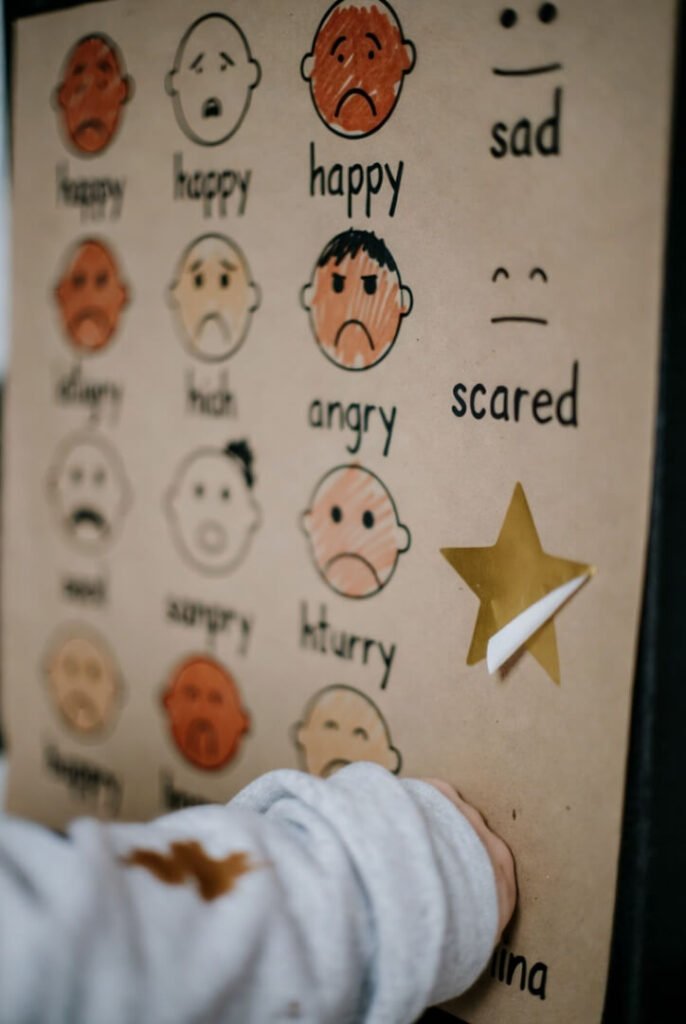
3. Our Pathetic Little Calm Corner for Kids Emotional Well-being
Beanbag from Walmart in the hallway, couple cheap squishies, old fan for noise. When someone’s losing it, we go there. No lecture, no timer. Sometimes supporting your child’s emotional well-being is literally just letting them exist in a safe-ish spot for a few minutes.
4. Forced After-Dinner Walks to Help Emotional Connection
We drag ourselves around the block after dinner, phones left inside. He’ll randomly spill worries about Raising Resilient Kids friends or school. Listening without jumping in with fixes is quietly powerful for supporting your child’s emotional well-being. (Kinda like the serve-and-return thing from Harvard.)
5. Rose-Thorn-Bud at Bedtime for Everyday Emotional Support
Rose = good part, thorn = hard part, bud = tomorrow hope. He dumps the thorn, I just nod and say “that sounds tough.” Letting the bad feeling live without rushing to make it better helps build emotional resilience.
6. Apologizing When I Lose It (Which Is Too Often)
I snapped hard last month over Legos everywhere at midnight. Next day I sat him down: “I was wrong to yell. I’m sorry.” His whole body relaxed. Repair moments are massive for kids feeling safe. (Psychology Today has a good piece on this here.)
7. 3:30 Snack Attack + Feelings Dump
Goldfish or cheese sticks come out, I ask “rough day or okay?” while they chew. Half the stories tumble out right there. Food + casual question = emotional download. Classic everyday emotional support for children.
8. Silly Body Check Before Screen Time
Before iPad: “Tight shoulders? Fast heart? Wiggly legs?” We shake like wet dogs or stretch. Teaching him to notice body stress early is low-key life-changing for supporting your child’s emotional well-being. (Child Mind Institute has tips on self-regulation here Raising Resilient Kids.)
9. Hugs Are Never Forced
Even when he’s crying buckets, I ask “hug? high-five? space?” and actually wait for the answer. Respecting his body boundaries matters more than my urge to squeeze him.
10. My Own Five-Minute Bathroom Freak-Out
After bedtime I hide in the bathroom, breathe, maybe ugly-cry or text my sister “I’m failing.” If I’m a wreck, supporting your child’s emotional well-being doesn’t happen. Gotta refill my own tank first. (AAP has some thoughts on parent well-being too here.)
If you want more of my messy takes, check out my other posts like “Why I’m Done Yelling (Most Days)” or “After-School Meltdown Survival”—they’re basically extensions of supporting your child’s emotional well-being in real life.

I don’t hit all ten every day. Some days it’s four and I’m proud. Some days it’s two and I’m just surviving. But consistently trying—even half-assed—seems to be what actually moves the needle on supporting your child’s emotional well-being.
Which habit are you thinking of stealing? Or which one do you already do better than me? Tell me in the comments—I’m nosy and I steal ideas constantly.
We’re all fumbling through this. You’re doing better than you think. ❤️